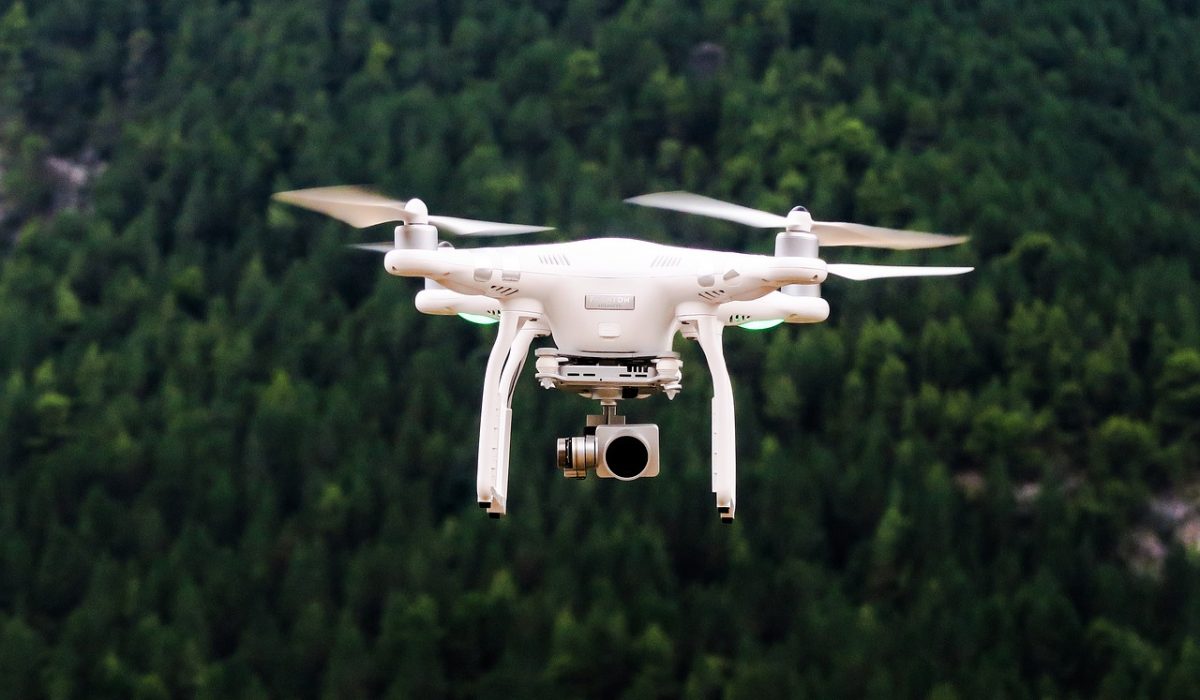
That buzzing sound – is that a swarm of bees approaching? No, just one of the new drones, which are becoming increasingly popular with both private individuals and businesses. No wonder, since they can be used in many areas, including agriculture, police operations, the military, or for journalistic purposes, not to mention private recordings, for example, while on vacation. However, we are hearing more and more often about accidents or damage caused by drones. What are the insurance implications in such cases?
What is a drone?
Let's start with the basics: A drone is an unmanned aerial vehicle that either flies autonomously or is controlled remotely. They are categorized by weight and model, with the number of propellers being a key factor in their naming: For example, there are quadcopters, hexacopters, octocopters, etc.
General rules for drone owners
The following guidelines must be observed by all drone users:
- Plaque: Since October 1, 2017, all unmanned aerial vehicles (UAVs) must be equipped with a fireproof identification plate that allows the owner's name and address to be identified. If you own a drone weighing more than two kilograms, you may only fly it with proof of the required competency from October 1st onwards.
- General permission: You do not need official permission to use drones weighing less than five kilograms.
- Special permit: As a drone owner, you must obtain a separate permit from the state aviation authority to use drones weighing over five kilograms.
- No-fly zones: In most cases, you are not allowed to fly your drone near an airport or helicopter landing pad.
- Drone photography: Secretly taking photos of your neighbor? Absolutely not – photography is only permitted with the consent of the people being photographed; images may not be published without permission.
- Flight altitude: You are not allowed to fly your drone higher than 100 meters, with the exception of model aircraft flying fields.
- Line of sight: If your drone weighs less than five kilograms, you may only fly it within line of sight.
- Liability insurance: You must take out liability insurance before your first flight.
Drone insurance – what you need to know
As you can see, the question posed in the title regarding the necessity of drone insurance exists – and has in Germany since 2005, regardless of whether you use the drone privately or for commercial purposes. As the drone's owner, you are liable for all damages caused by it, be it a broken window or personal injury. Depending on the severity, the costs in such cases can quickly become exorbitant.
Drone insurance for private individuals
If you use your drone privately, private liability insurance is usually perfectly sufficient. Depending on the specifics of your policy, this covers property damage, personal injury, and financial losses. However, the weight and propulsion system of your drone play a significant role in determining the level of insurance coverage.
If you are looking for affordable private liability insurance for students , then allmaxx is the right place for you.
Drone insurance for commercial use
However, if you fly your drone for commercial purposes, private liability insurance is not sufficient: you must also take out separate drone liability insurance.
Before you send your drone on an exploration tour, you should find out exactly what is allowed and what isn't. You also need to have good insurance coverage, otherwise you could quickly find yourself with a huge amount of money to pay.